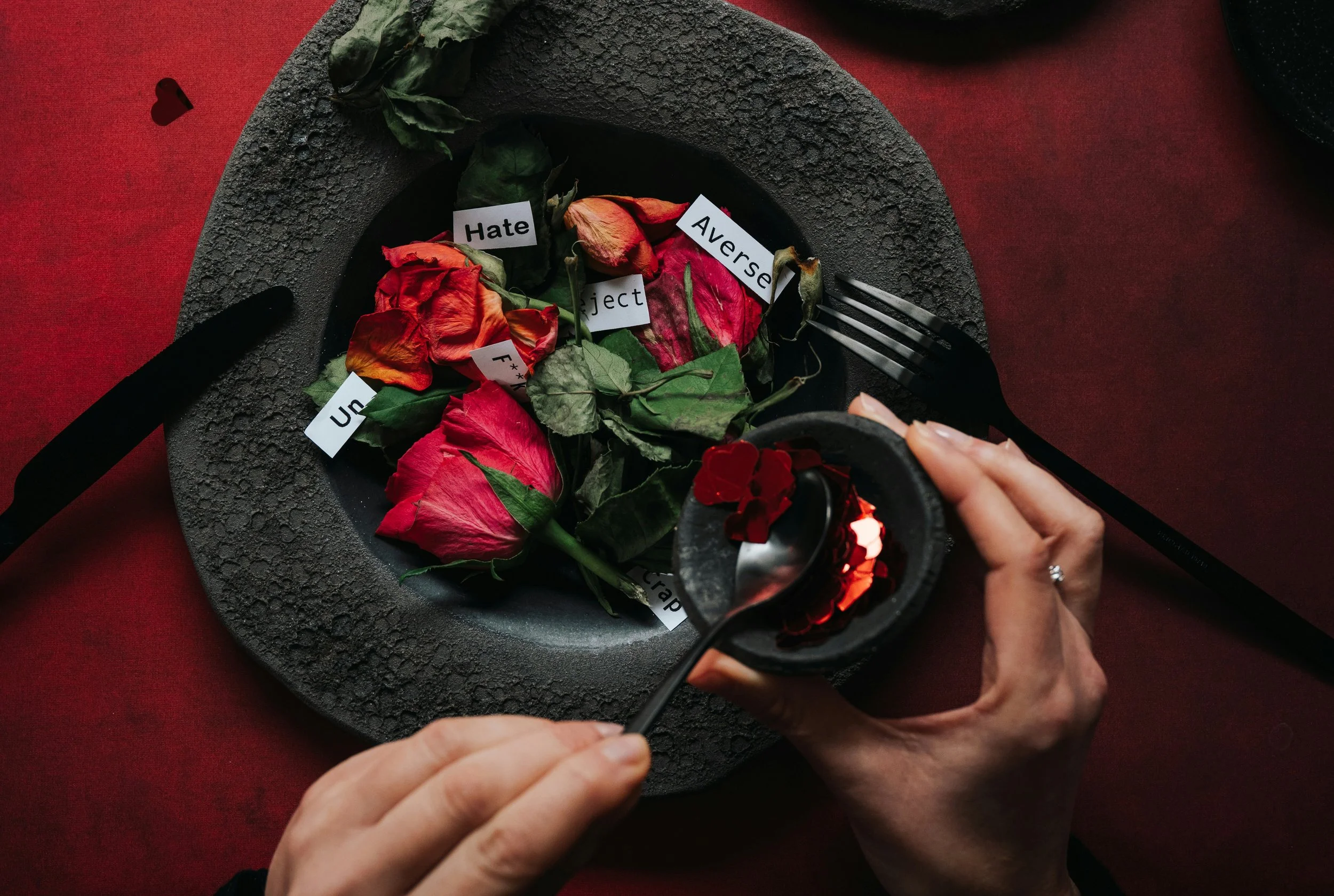



You have decided to explore therapy and that is a brave and hopeful step. This blog is to give you some ideas to help you notice what matters, trust your instincts and feel a little more confident about taking the next step.
If you often put yourself down, it may help to ask whether you would talk to a friend in the same way if they came to you with a problem? Most of us would not. We would probably offer more kindness, more patience and a much fairer view of what they were carrying.
You have decided to explore therapy and that is a brave and hopeful step. This blog is to give you some ideas to help you notice what matters, trust your instincts and feel a little more confident about taking the next step.
As a therapist, I find that one of the most difficult concepts to communicate is that our so-called negative feelings are, in fact, clues to our healing.
Let me ask you a question. How do you react when you feel sad and how do you cope with it? Long before I trained as a therapist, my response would have been to shut down or distract myself. Suppression felt safer than the vulnerability that came with sadness.