


Photo by Olga Kovalski on Unsplash
My parents were GPs and ran a lively practice in a farming community in the South West. As part of her duties, my mum would check in with new mothers after they had come home from hospital with a new baby. Was the new mum coping with the enormous changes that a baby brings. Strange as it may seem, it’s not all rainbows and unicorns. Parents are sleep deprived and everything can feel overwhelming. Mum said she would sometimes say, “… and there are times when you could quite happily throw the little so-and-so out the window.” She said she lost count of the number of times the mum would look at her with shock and relief that someone else felt that way too.
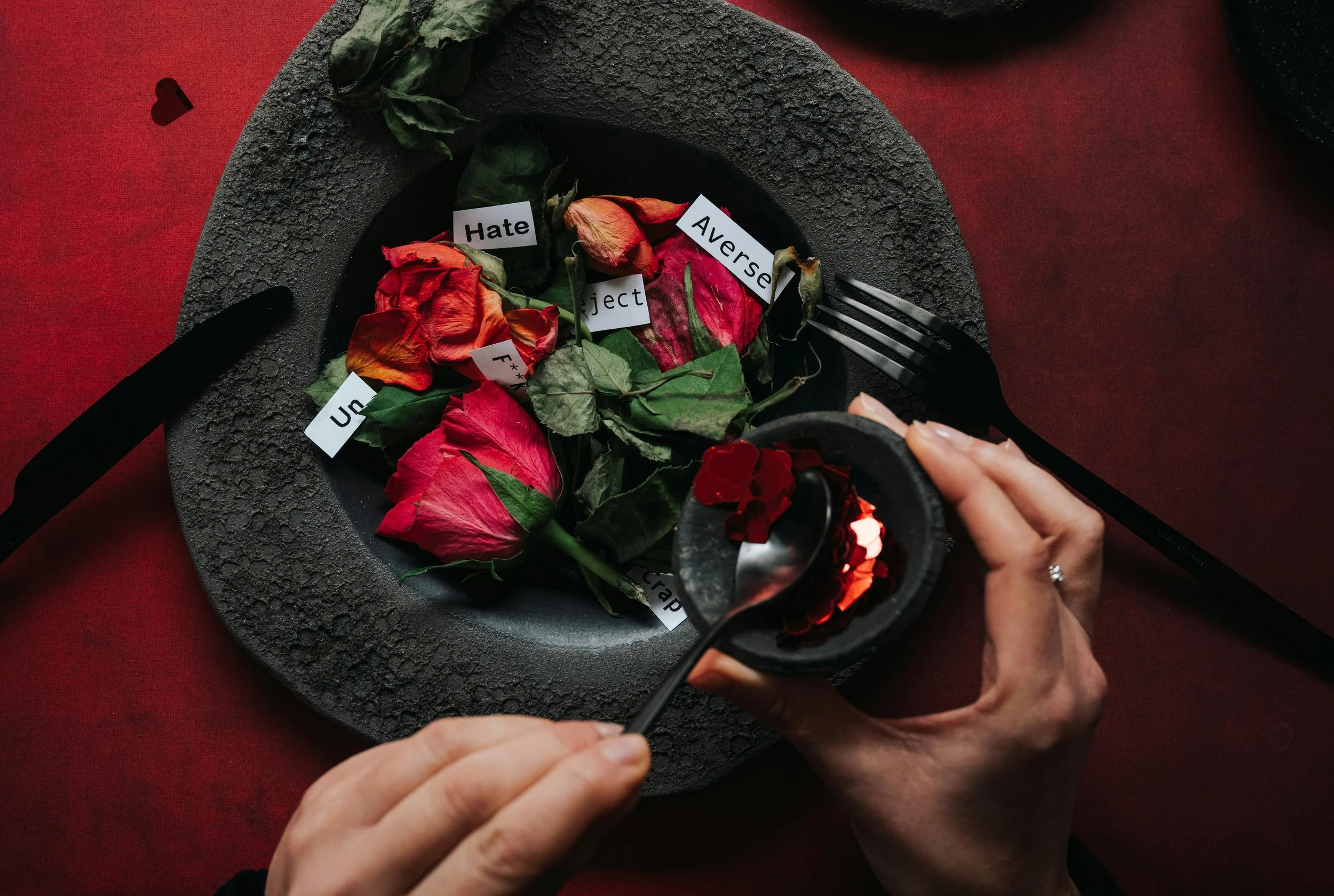
We can hold two feelings at once and feel ashamed of admitting one of them. That is what this memory brings to mind: the bereaved person who misses someone and also feels relief; the person who longs for a passionate but tempestuous relationship while knowing it was not good for them; the person who enjoys helping others and resents their demands. Or the parent who thinks, ‘I longed to have this baby and now I miss my old life.’ These are the feelings we may struggle to say out loud, even to someone close to us.
Imposter Syndrome and the inner critic
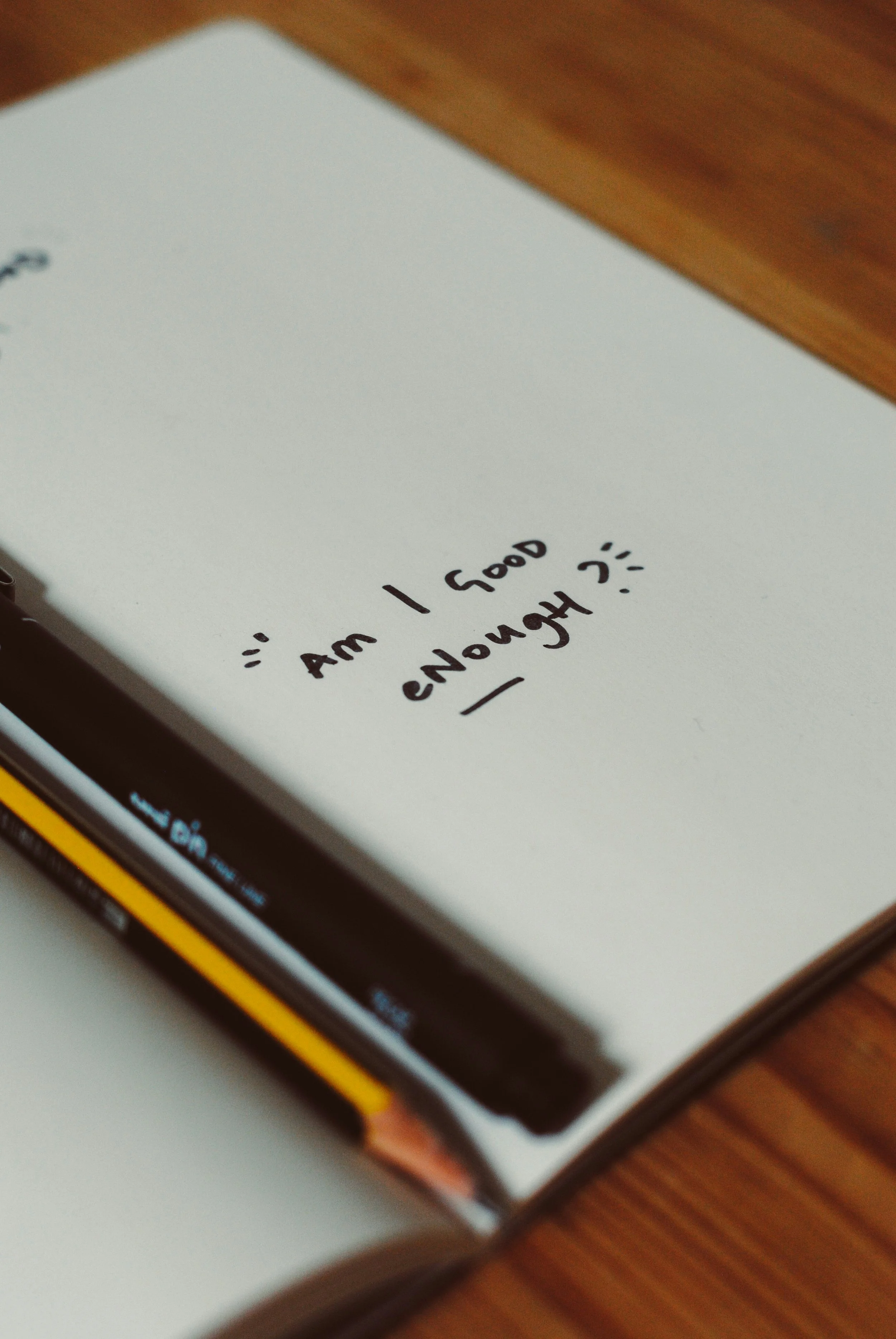
Imposter syndrome is another way this conflict can show up, and it is something clients often bring to the counselling room. You may know you have earned your place and still fear that your boss will think you are not good enough. An inner critic tells you that you got it wrong, or that you will get it wrong, so why try? Alongside that doubt can come isolation and shame: the belief that nobody else feels this way, or that other people have bigger problems and you have no right to find this difficult.
That doubt can shape how you respond to other people. You might put yourself down before anyone else has a chance to criticise you, or automatically assume their ideas are better than yours. Imposter syndrome seems to search for every fault, leaving a scratchy sense of uncertainty: part of you knows you can do it, while another part suspects you can’t. Our rational mind can point to our qualifications and the times we know we did well and yet still there is that nagging voice in our head that seems to bat away every affirmation we use to try and boost our confidence.
Why self-doubt can be hard to admit?
It can be difficult to admit a feeling that clashes with what you think you should feel. That word ‘should’ suggests there is a right response, and that anything else is wrong. If you longed to become a mum but do not always feel happy or content, you might find yourself wondering what that says about you as a mother?
For someone experiencing imposter syndrome, the fear of being found out may carry a deeper worry: ‘I do not deserve this job.’ Beneath that fear may be shame about struggling to cope, or the belief that everyone else is more qualified, confident and capable. Being seen as ‘less than’ can then feel like a threat to an already fragile sense of self-worth.
For some people, these feelings may connect with growing up in an overly critical household, where they rarely felt good enough. Parents or carers may have intended to encourage high standards, but the child heard their words as criticism and was left feeling anxious or unloved. Later doubts about worth may bring back the painful fear that they were not loved, along with a deep sense of shame.
Self-doubt and the fear that everyone else is coping
It is not easy to cope with difficult feelings on your own. You might push them aside or bury them by working extra hard. Or you might find yourself caught in the inner critic’s questions: ‘Other people seem to cope, so why can’t I? Is this another sign that I’m not good enough?’ Even trying to manage the feelings can become another reason to doubt yourself.
Feeling too ashamed to admit to a feeling can compound the distress because we feel isolated as well. We dare not say what we really think because we fear being judged or ridiculed. We convince ourselves that everyone else is coping or we play the comparison game: one of the most common, and unhelpful strategies our inner critic loves to throw our way. After all, your inner critic says, “It’s not as if you live in the Ukraine and are in physical danger every night.” But this isn’t a fair comparison and your problems and feelings about them deserve to be treated seriously.
Carrying everything silently comes at a cost. You may offer a breezy “I’m fine, how are you?” while feeling exhausted underneath. Behind that familiar reply may be a need for help, for understanding and for someone to listen without treating your struggle as weakness.
Putting difficult feelings into words
‘I’ve never told anyone this before’ is a phrase I often hear in the counselling room. It makes me wonder what it might be like to say what is really on your mind without immediately softening it. A stressed mother might say, ‘Sometimes I resent being a mum,’ without feeling obliged to add, ‘but of course I love my kids.’ What would it be like to give that first feeling room to be heard?
If you feel like an imposter, telling someone ‘Sometimes I don’t know what I am doing, and I’m afraid I’ll be found out’ may feel daunting. You might worry that they will not understand. Yet speaking about it may also bring a little relief, like a weight lifting off your shoulders. Even a brief pause in the carousel of anxiety can give you space to clear your head. Talking to someone, or keeping a journal, can offer a way to put those feelings into words.
Making room for self-compassion
Holding two contradictory feelings is not unusual, in fact, I think it can reflect a healthy respect for the complexity of life. Allowing both feelings to be present rather than making one cancel out the other. Part of finding resilience and living authentically may be learning to sit with sadness, confusion or anger and meet the pain beneath them with compassion.
If this has struck a chord, you do not need to have everything worked out before getting in touch. I offer a free half-hour call where we can talk about what you are dealing with and explore whether we might be the right fit. If you would like to find out more, let’s have a chat.

Photo by Anton Sobotyak on Unsplash