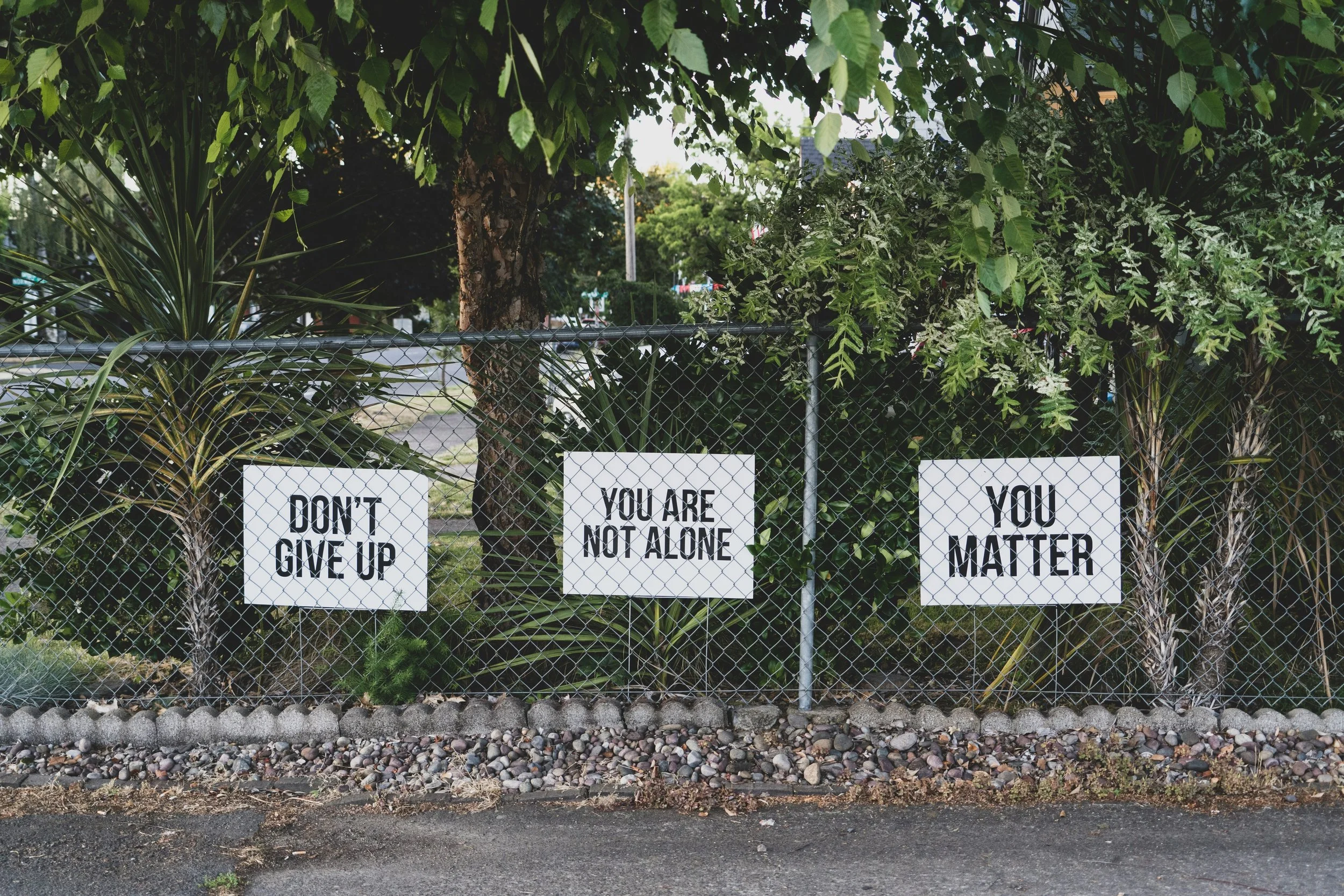
Are you thinking about starting counselling, but feeling unsure or a little anxious about what to expect? If so, you are in good company – many people I meet feel the same way at first. I felt the same when I first stepped through my therapist’s door: before I ever thought of becoming a therapist, I spent years in therapy and even more time wondering if it was the right step for me. It’s perfectly normal to feel uncertain or hesitant. What matters most is that you are considering seeking support, and that’s a brave and positive first step. My own experience of therapy changed my life for the better and I am here to help you discover what it could mean for you too.
Common concerns at the beginning
If you are thinking about having therapy but are anxious about what it is an what might happen, it’s completely normal to feel this way. You might be worried about being judged by your family or friends for being unable to cope; that it is a sign of weakness to ask for help. You might fear that your problems aren’t serious enough for therapy, but seeking support is a sign of strength not weakness.
You might not know what to expect from counselling or be worried about what you will talk about or even if you would have anything to say. Perhaps you’re concerned that therapy will mean revisiting the past or unearthing painful memories you’d rather leave behind. These are understandable concerns and you’re not alone in having them. Perhaps you have a clear understanding of how you feel and why, and wonder what talking about it will achieve? I remember worrying about what might happen: what if I opened a psychological wound and started crying… and what if I couldn’t stop? Many people share these worries, and it is ok to bring them with you when you begin.
The Roots of Anxiety
So, let’s explore why these feelings are so common and how understanding them can be the first step towards lasting change. Maybe you weren’t listened to when you were a child or maybe your feelings weren’t taken seriously. My parents and their friends had lived through a world war and they had learned to “keep calm and carry on”, and I thought who am I to be saying I am struggling? I recall having a lot of negative self-talk and that I needed to “man-up” and learn to cope “that’s what real men do”.
I recall a saying of one of my parents’ friends, “laugh and the world laughs with you, cry and you cry alone.” Yes, sometimes we do have to manage our feelings and “just get on with it”, but we must also learn to understand our feelings and develop a vocabulary for expressing them. One of the most profound lessons I drew from therapy was that genuine resilience doesn’t come from a stiff upper lip and a capacity to bury pain, but from an ability to sit with so called “negative” feelings: doubt, fear, sadness, anger and let them help us understand our experience. This is the key to long-lasting mental health.
What to expect from counselling
Many people when they first come for counselling feel worried that they are not “right” for it or that they are fearful of being judged, that their problems are trivial compared to the life and death situations we so often see on the news. Yes, most of us aren’t suffering like the people of the Ukraine or Gaza, but that comparison isn’t helpful. All of us struggle and all of us need support sometimes. Often it is precisely because we have all the trappings of what a “normal life” is that we feel confused. We might have a job, a relationship and a roof over our heads and yet we feel awful, and don’t understand why? I have met this countless times in my consulting room and everyone who comes for counselling feels some of what I have described above.
Beginning counselling can feel like a huge step especially if you are new to the process and don’t know what to expect or if you are carrying a weight of opinions from others about the type of person who sees a “shrink”. Remember, there’s no right or wrong way to begin. Simply showing up and sharing what’s on your mind is a powerful first step and I am here to support you every step of the way.

Ready to take the next step?
If you are considering counselling and want to explore if it would be a good fit for you, feel free to contact me.
Tony Austin is an accredited counsellor and psychotherapist offering counselling in Brighton, Hove and online. He works with adults and couples on anxiety, self-worth, relationships, depression and personal growth.